


Spain’s vibrant culinary landscape, deeply rooted in its extensive coastline and rich maritime heritage, continues to place seafood at the forefront of its dietary habits. In 2023, the nation’s consumption patterns for fishery products reveal a clear hierarchy, with fresh fish holding a commanding lead, underscoring a persistent preference for the most natural and unadulterated forms of marine bounty. This preference, however, exists within a dynamic market that also demonstrates significant appetite for convenient and versatile preserved and frozen alternatives, reflecting evolving consumer lifestyles and global trade influences.
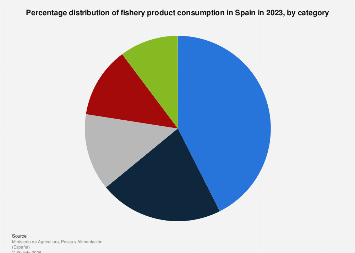
Data from 2023 indicates that fresh fish constituted the largest segment of seafood consumption in Spain, accounting for an impressive 42.5% of the total volume. This figure highlights a deeply ingrained cultural appreciation for freshly caught seafood, a staple in traditional Spanish cuisine, from the Galician coasts renowned for their exquisite shellfish to the Mediterranean shores celebrated for their diverse array of finfish. The continued dominance of fresh fish suggests that despite the pressures of modern living, Spanish consumers prioritize quality, taste, and perceived health benefits associated with minimally processed products. This trend aligns with a broader global movement towards more natural and sustainable food choices, where transparency in sourcing and preparation is increasingly valued.
Following closely, the category of canned fish and mollusks secured the second-largest share, representing 21.5% of the national consumption. This segment’s strong performance is a testament to the enduring appeal of convenience and shelf-stability offered by products like tuna, sardines, anchovies, and mussels. Canned seafood has long been a cornerstone of Spanish pantries, prized for its versatility in tapas, salads, and simple meals, as well as its accessibility and affordability. The robust demand for these products also speaks to the effectiveness of the canning industry in maintaining quality and flavor, making them a reliable option for busy households and a key component of Spain’s globally recognized gastronomic identity.
The market also reflects a substantial engagement with other categories of seafood, each carving out its niche. Fresh seafood and shellfish, encompassing items like shrimp, clams, mussels, and oysters, captured 13.4% of the consumption volume. This segment often appeals to consumers seeking premium ingredients for special occasions or those who value the distinct textures and flavors of live or freshly prepared shellfish. The robust demand here is supported by Spain’s sophisticated aquaculture and fishing industries, which ensure a steady supply of high-quality, locally sourced shellfish.
Frozen and cooked shellfish and mollusks accounted for 12.3% of the total consumption. This category offers a blend of convenience and accessibility, providing consumers with ready-to-use or easily prepared shellfish options. The growth in this segment is likely driven by increased demand for convenience foods that require minimal preparation time, catering to the fast-paced lifestyles prevalent in urban centers. Furthermore, advancements in freezing technology have significantly improved the quality and texture of frozen seafood, making it a more attractive alternative to fresh options for a growing number of consumers.
Finally, frozen fish represented 10.2% of the consumption volume. While lower than other categories, this segment is crucial for ensuring consistent availability and offering a wider variety of fish species throughout the year, irrespective of seasonal catches or geographical limitations. Frozen fish plays a vital role in making seafood more accessible and affordable to a broader segment of the population, and it is particularly important for regions that may not have direct access to fresh catches. The growth in this sector is often tied to the expansion of global supply chains and the increasing integration of international seafood markets.
From an economic perspective, the Spanish seafood sector is a significant contributor to the national economy, encompassing fishing, aquaculture, processing, and retail. The strong demand for fresh fish, in particular, supports a vast network of local fishermen and coastal communities, preserving traditional livelihoods and contributing to rural development. The robust market for canned and frozen products, on the other hand, fuels the processing industry, which is a major employer and a key player in Spain’s export market. Spain is one of the largest seafood consumers in Europe, with per capita consumption often exceeding the EU average. This high demand necessitates efficient supply chains, robust import/export relationships, and a keen understanding of consumer preferences.
Globally, Spain’s seafood consumption patterns are indicative of broader trends. While many developed nations are experiencing a rise in demand for convenient, processed, and frozen options due to urbanization and changing work patterns, there remains a significant and often growing segment of consumers prioritizing health, sustainability, and the perceived superior quality of fresh produce. Spain’s sustained preference for fresh fish, therefore, positions it as a market that balances traditional values with modern consumption needs. The country’s commitment to the Mediterranean diet, which emphasizes fresh, unprocessed foods, further solidifies the importance of fresh seafood in its culinary identity.
The economic impact of these consumption trends extends beyond direct sales. The demand for fresh fish stimulates investment in fishing fleets, sustainable fishing practices, and local markets. The success of the canned and frozen segments supports innovation in processing, packaging, and logistics, contributing to the competitiveness of the Spanish food industry on an international stage. Moreover, the emphasis on quality and variety across all categories helps to maintain Spain’s reputation as a premier destination for seafood lovers, attracting tourism and bolstering its gastronomic brand.
Looking ahead, the Spanish seafood market is likely to continue evolving. Factors such as increasing environmental awareness, the pursuit of sustainable sourcing, and the ongoing demand for convenience will shape future consumption. While fresh fish is expected to retain its leading position, further growth in the frozen and preserved categories is probable, driven by technological advancements and changing demographic profiles. The industry’s ability to adapt to these shifts, while maintaining its commitment to quality and tradition, will be key to its continued success and its integral role in Spain’s economy and cultural fabric. The intricate dance between tradition and modernity in Spain’s seafood consumption offers a compelling case study in how a nation’s dietary habits can reflect and shape its economic landscape.