


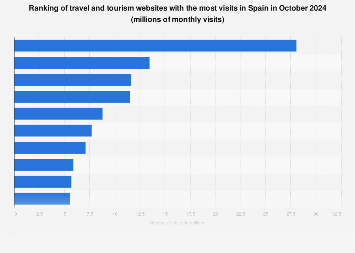
The digital realm is increasingly the first port of call for global travelers researching and booking their Spanish adventures. Analyzing the most visited websites within Spain’s tourism sector offers a granular view of consumer behavior, market trends, and the competitive dynamics shaping one of Europe’s most vital economic engines. This digital footprint not only reveals which platforms are capturing traveler attention but also highlights the evolving preferences for booking channels, information sources, and experiential content. Understanding this online ecosystem is crucial for stakeholders aiming to optimize their digital strategies and capitalize on the burgeoning global demand for Spanish travel.
The Spanish tourism industry, a cornerstone of the nation’s economy, contributes significantly to its GDP and employment. In recent years, its digital transformation has accelerated, with online platforms becoming indispensable tools for both consumers and businesses. A deep dive into website traffic reveals a clear hierarchy of influence, with major online travel agencies (OTAs), booking platforms, and national tourism portals dominating the landscape. These digital hubs serve as critical gateways, guiding millions of potential visitors through the intricate process of planning a trip, from initial inspiration to final reservation.
Online travel agencies, both global giants and more specialized regional players, consistently rank among the most visited sites. These platforms offer an aggregated inventory of flights, accommodations, and activities, providing a convenient one-stop shop for travelers. Their success is driven by extensive marketing efforts, user-friendly interfaces, and sophisticated algorithms that personalize recommendations. For instance, platforms like Booking.com and Expedia have built robust brand recognition and trust, making them default choices for many international tourists. Their ability to compare prices across a wide range of providers also appeals to budget-conscious travelers. The sheer volume of bookings processed through these channels underscores their pivotal role in driving actual visitor numbers to Spain. Market research indicates that a significant percentage of international bookings for Spanish destinations are initiated through these global OTAs, reflecting their immense market power and consumer reach.
Beyond the aggregated offerings of OTAs, dedicated accommodation booking sites also command substantial traffic. Websites focusing exclusively on hotels, vacation rentals, and other forms of lodging are essential for travelers seeking specific types of accommodation. These platforms often provide detailed property descriptions, user reviews, and high-quality imagery, enabling informed decision-making. The rise of the sharing economy has also propelled platforms like Airbnb to prominence, offering alternative lodging options that cater to different travel styles and preferences. The flexibility and unique experiences offered by vacation rentals have made them increasingly popular, particularly for families and longer stays, further diversifying the online accommodation market.
A critical segment of the digital tourism landscape comprises the websites of national and regional tourism boards. These official portals serve as authoritative sources of information, showcasing the diverse attractions, cultural heritage, and regional specialties of Spain. They play a vital role in destination branding, providing curated content that highlights the unique selling propositions of different areas. Websites like Spain.info, managed by Turespaña, the national tourism agency, alongside regional counterparts, are instrumental in shaping perceptions and inspiring travel. They offer comprehensive guides, event calendars, and practical information on visas, transportation, and local customs, acting as a trusted resource for independent travelers and travel agents alike. The investment in high-quality content, including virtual tours and immersive digital experiences, is a key strategy for these bodies to remain competitive and attract a global audience.
The aviation sector’s online presence is another dominant force. Airlines’ direct booking websites are frequently visited by travelers who have already selected their preferred carrier or are seeking specific flight deals. The integration of flight search engines and booking functionalities on these sites allows for seamless travel planning. Furthermore, metasearch engines that aggregate flight and accommodation options from multiple sources also attract significant traffic. These platforms act as powerful comparison tools, empowering consumers to find the best deals and optimize their travel itineraries. The competitive pricing strategies employed by airlines and the ease of booking directly through their platforms contribute to their high website visitation rates.
The influence of social media and online travel communities cannot be overstated. While not always directly transactional, platforms like Instagram, YouTube, and TripAdvisor play a crucial role in the inspiration and research phases of travel planning. User-generated content, including reviews, photos, and vlogs, provides authentic insights and influences destination choices. Travel bloggers and influencers also wield considerable power, shaping trends and introducing their followers to lesser-known destinations or unique travel experiences. These platforms, while not always directly facilitating bookings, are critical in building brand awareness and driving traffic to booking sites and official tourism portals. The visual nature of platforms like Instagram makes them particularly effective for showcasing Spain’s diverse landscapes and vibrant culture, from the beaches of Andalusia to the architectural marvels of Barcelona.
Furthermore, the rise of specialized online services catering to niche travel interests is creating new avenues for engagement. Websites offering curated experiences, adventure tours, culinary excursions, or cultural immersion programs are attracting travelers seeking more personalized and in-depth journeys. These platforms often leverage detailed content, expert recommendations, and tailored itineraries to appeal to discerning travelers looking for authentic and memorable experiences beyond the typical tourist trail. The growth of these niche platforms reflects a broader trend towards experiential travel, where the journey itself is as important as the destination.
The economic impact of these digital trends is profound. Increased online visibility translates directly into higher booking volumes, benefiting hotels, airlines, tour operators, and local businesses. Data analytics derived from website traffic and user behavior provide invaluable insights for businesses, enabling them to refine their marketing strategies, optimize pricing, and enhance the customer experience. For instance, understanding which regions or attractions are generating the most online interest can inform resource allocation and promotional efforts by regional tourism authorities. The digital economy of tourism in Spain is thus intrinsically linked to its physical manifestation, with online engagement serving as a powerful engine for economic growth and development.
The competitive landscape is dynamic, with established players constantly innovating and new entrants emerging. Success hinges on a multi-faceted digital strategy that encompasses user-friendly interfaces, compelling content, personalized recommendations, and seamless booking processes. As technology continues to evolve, with the integration of artificial intelligence, virtual reality, and augmented reality, the digital tourism landscape in Spain is poised for further transformation, offering new opportunities for engagement and growth in this vital sector of the Spanish economy. The ability of businesses and destination managers to adapt to these technological shifts and leverage digital channels effectively will be paramount in securing Spain’s position as a leading global tourism destination.