
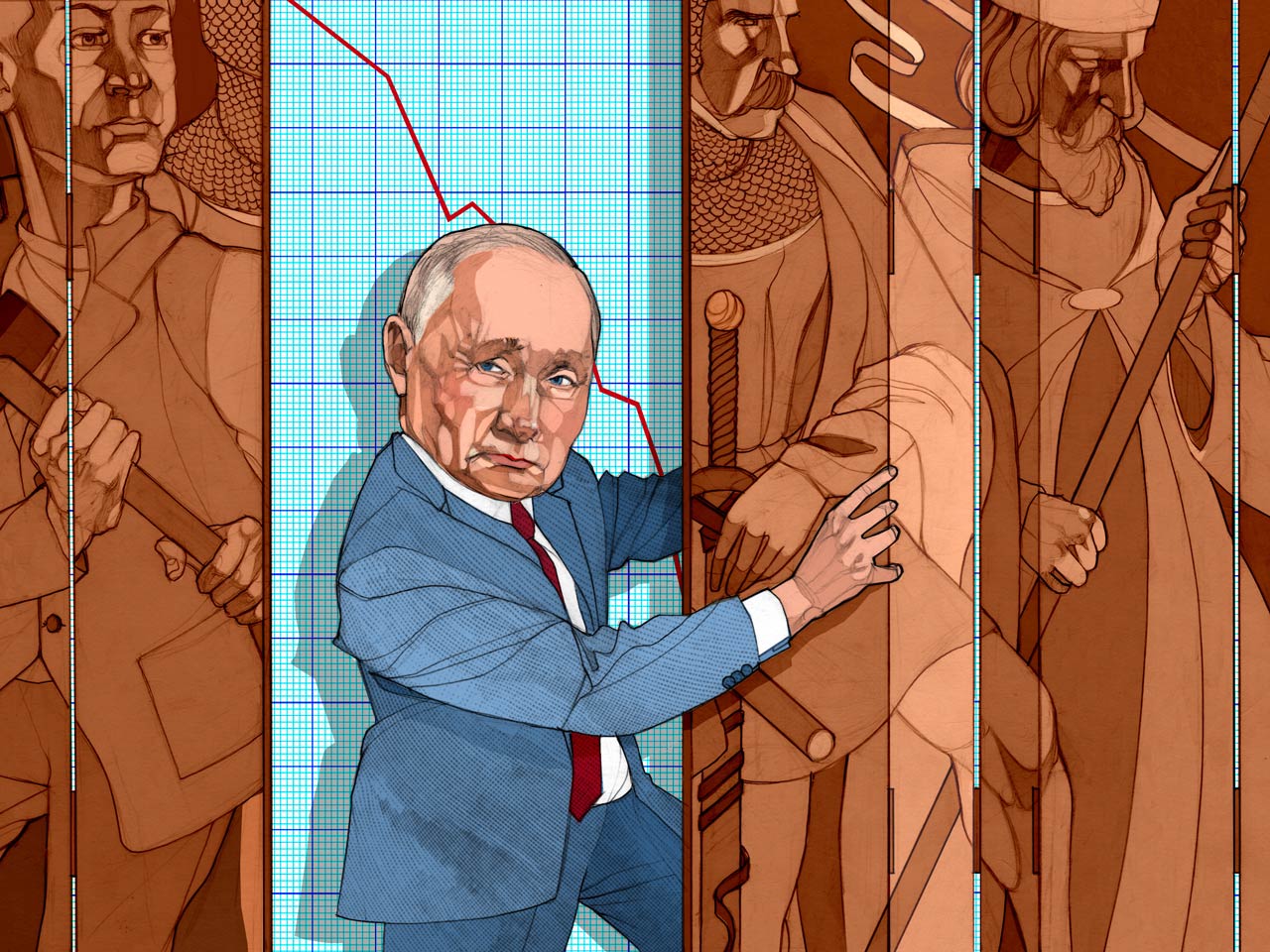
The economic foundations of the Russian Federation are facing a multi-pronged assault, a complex interplay of international sanctions, persistent demographic challenges, and the immense financial burden of an extended military engagement. Despite these considerable headwinds, President Vladimir Putin appears committed to a strategy of continued conflict, viewing it as his most viable path forward, a calculation that necessitates a more robust and strategically applied economic response from the international community. This protracted conflict, now in its third year, has moved beyond initial shockwaves and settled into a grinding reality that is increasingly revealing the vulnerabilities within Russia’s economic resilience.
The imposition of sweeping sanctions by a coalition of Western nations following the full-scale invasion of Ukraine in February 2022 has fundamentally altered Russia’s economic landscape. Designed to cripple its ability to finance its military operations and isolate it from global financial markets, these measures have targeted key sectors, including finance, energy, and technology. The freezing of central bank assets, restrictions on access to international capital, and the exclusion of major Russian banks from the SWIFT messaging system have significantly hampered trade and investment. While Russia has demonstrated an ability to adapt, finding alternative markets and payment mechanisms, the cumulative effect of these sanctions is undeniable. International Monetary Fund (IMF) projections, while subject to considerable uncertainty, suggest that while Russia’s GDP may have shown a surprising degree of resilience in the short term, driven by increased state spending and a shift towards a war economy, the long-term growth potential is severely curtailed. The rerouting of trade flows, particularly towards Asia, has come at a cost, often involving discounted commodity prices and increased logistical complexities.
Beyond the immediate impact of sanctions, Russia is grappling with a deeply entrenched demographic crisis that predates the current conflict but has been exacerbated by it. Declining birth rates, coupled with an aging population and a significant outflow of educated professionals and young men, are creating severe labor shortages across various sectors. The ongoing mobilization efforts and emigration have further depleted the workforce, impacting not only manufacturing and services but also critical sectors like healthcare and education. This demographic deficit poses a long-term constraint on economic productivity and innovation, making it increasingly difficult for the Kremlin to sustain a high level of economic activity, let alone expand it. According to recent demographic studies, Russia’s working-age population has been on a downward trajectory for years, a trend that is now accelerating. This contraction in human capital represents a structural weakness that sanctions and increased state investment struggle to overcome.
The economic strain is palpable in the increasing reliance on state-driven stimulus and the repurposing of the national budget towards military expenditure. The Russian government has significantly increased its spending on defense, a necessary but ultimately unsustainable strategy that diverts resources from crucial areas of civilian investment and social welfare. This fiscal reorientation, while bolstering the defense industrial complex, risks creating inflationary pressures and crowding out private sector development. The celebrated resilience of the Russian economy, often cited by Moscow, is largely a function of state intervention and the prioritization of military production over broad-based economic growth. This model, while capable of sustaining a wartime footing for a period, is inherently less adaptable and innovative than a market-driven economy.
From a global perspective, Russia’s economic trajectory has significant implications. The rerouting of energy supplies, while initially disruptive, has forced a broader diversification of energy sources by many importing nations, accelerating the global energy transition. The increased demand for alternative suppliers of commodities has benefited other resource-rich nations, altering global trade dynamics. Furthermore, the conflict has spurred increased defense spending globally, impacting defense contractors and technological innovation in that sector. The long-term consequences of Russia’s economic isolation are likely to include a diminished role in global supply chains and a reduced influence on international economic governance.
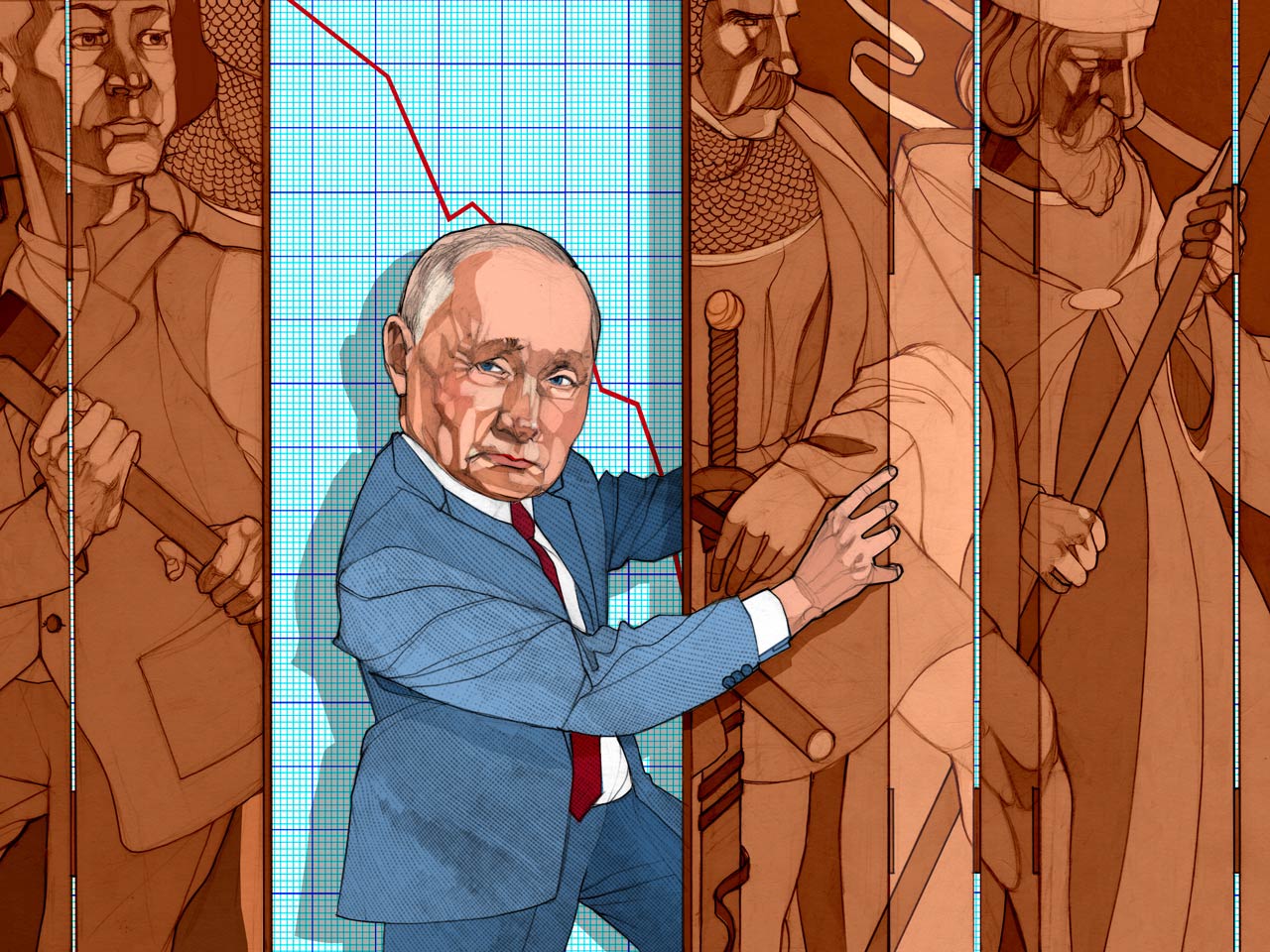
Expert analysis highlights that the Kremlin’s gamble on continued conflict is rooted in a belief that Western resolve will eventually wane and that economic pressures will become untenable for the coalition supporting Ukraine. However, this perspective overlooks the potential for escalating economic countermeasures. While blunt sanctions have had an impact, a more nuanced and strategically targeted approach could further erode Russia’s capacity to wage war. This could involve stricter enforcement of existing sanctions, the closure of loopholes, and the targeting of individuals and entities involved in illicit financial flows. Furthermore, continued investment in alternative energy sources by Western nations diminishes Russia’s leverage in the long run.
The economic cost of the conflict for Russia extends beyond direct military expenditure. The erosion of investor confidence, the loss of access to advanced technologies, and the brain drain of skilled professionals will have lasting repercussions on its long-term economic development. While the Russian economy has shown an ability to absorb significant shocks, the combination of sustained external pressure and internal structural weaknesses presents a formidable challenge. The sustainability of its current economic model, heavily reliant on resource extraction and state control, is increasingly questionable in the face of a rapidly evolving global economic and geopolitical landscape. The path forward for Russia’s economy appears increasingly constrained, a stark contrast to the narrative of robust resilience often projected by official sources. The true measure of Russia’s economic endurance will be tested not in its ability to weather immediate storms, but in its capacity to adapt and innovate in a world that is increasingly moving away from its traditional economic model.