


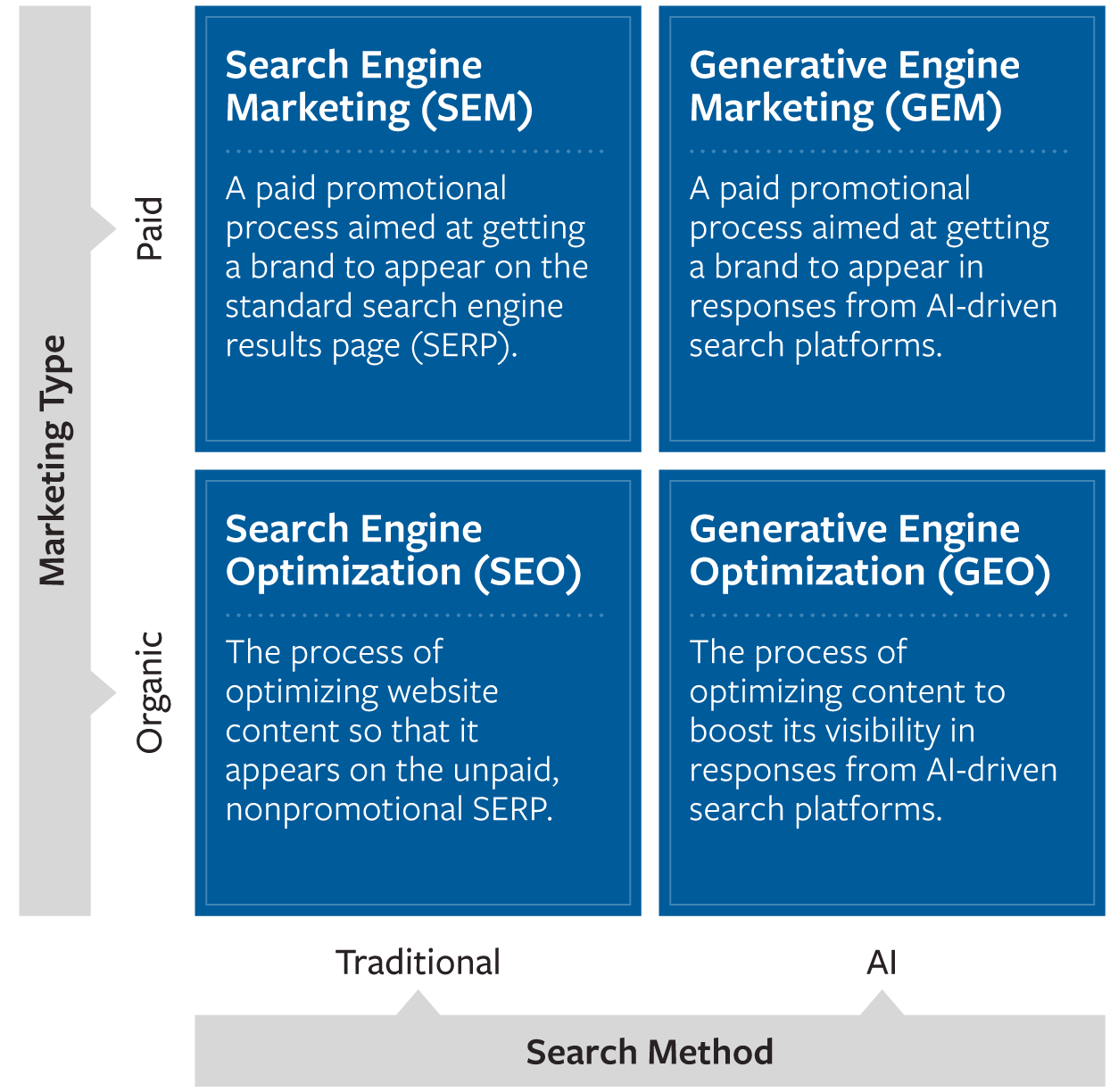
The digital landscape is undergoing a profound transformation, driven by the rapid ascent of generative artificial intelligence (GenAI), fundamentally reshaping how consumers discover information and interact with brands online. This seismic shift presents an urgent imperative for businesses worldwide: adapt or face the stark reality of digital invisibility, even for established market leaders. Traditional search engine optimization (SEO) paradigms, once the bedrock of online brand visibility, are proving increasingly inadequate as AI platforms introduce new rules of engagement, threatening to dismantle years of carefully cultivated digital presence.
The advent of conversational AI tools like ChatGPT, Google Gemini, and Perplexity has initiated a paradigm shift from keyword-centric query input to more nuanced, intent-driven interactions. Consumers are no longer just typing in discrete search terms; they are posing complex questions, seeking comprehensive summaries, and expecting direct, authoritative answers. This evolution bypasses the traditional results page laden with multiple links, moving towards a "zero-click search" environment. In this new reality, the AI itself often provides a synthesized response, reducing the user’s need to navigate to external websites. This dramatically shrinks the number of touchpoints a brand has with a potential customer, making the initial appearance within the AI-generated summary critically important.
The strategic implications are profound. Consider the experience of a major U.S. fitness franchise, a brand with significant market investment and a robust traditional search presence. During a test involving AI platform searches, executives were reportedly "shocked" to find a small, local Houston-based competitor consistently outranking them in AI-driven results. Similarly, a prominent financial services firm, despite holding the largest market share and allocating substantial budgets to traditional media, digital marketing, and SEO, discovered its brand was omitted from AI platform recommendations when a consumer searched for top-rated options. Instead, a much smaller, lesser-known player was highlighted. These anecdotes underscore a critical vulnerability: historical investment in market leadership and conventional SEO no longer guarantees prominence in the AI-driven search ecosystem.

The core challenge lies in the opaque and rapidly evolving algorithms that govern these GenAI platforms. Unlike traditional search engines, which historically prioritized factors like backlinks, keyword density, and site authority, AI models leverage vast datasets to understand context, semantic meaning, and user intent with unprecedented sophistication. They aim to provide the "best" answer, not necessarily the most advertised or most linked-to one. This means that a brand’s content must not only be discoverable but also demonstrably authoritative, accurate, and directly relevant to the nuanced questions posed by users. The black box nature of these algorithms means that the specific criteria for ranking are dynamic and proprietary, demanding a more agile and experimental approach from marketers.
Economically, this shift necessitates a significant reallocation of marketing resources. The global digital advertising market, projected to exceed $800 billion by 2026, will see an increasing proportion of its budget redirected towards strategies optimized for AI-driven discovery. Companies that fail to adapt risk not only diminished online visibility but also a tangible erosion of market share and brand equity. The traditional sales funnel, which relied on multiple clicks and page views to guide a consumer from awareness to purchase, is being compressed. Fewer clicks mean fewer opportunities for brands to showcase their value proposition, capture leads, or retarget potential customers. This intensifies the competition for the coveted "preferred position" within an AI’s summary, making every algorithmic decision a high-stakes event.
For smaller brands, this paradigm shift presents both a threat and a unique opportunity. While they may lack the extensive resources of market leaders, their agility and ability to specialize can be a significant advantage. A highly niche, authoritative blog or a meticulously curated knowledge base could, theoretically, gain more traction with an AI model seeking specific expertise than a broad corporate website struggling for general relevance. Conversely, large enterprises, with their deep pockets and vast content libraries, must move swiftly to restructure their digital assets and marketing strategies to harness their existing brand equity within this new framework. The danger for them is complacency, assuming past success will translate automatically into future relevance.
To thrive in this AI-first search environment, businesses must adopt an "Information Search Marketing" framework that moves beyond mere keyword stuffing and link building. This framework emphasizes several critical pillars:

- Semantic Content Authority: Brands must evolve from producing content that merely contains keywords to creating content that demonstrates deep, comprehensive expertise and authority on specific topics. This involves structuring information logically, providing accurate and verifiable data, and anticipating the nuanced questions users might ask. The goal is to be the definitive source of information, not just another search result.
- Structured Data and Contextual Relevance: Implementing robust schema markup and other structured data formats becomes paramount. This allows AI models to better understand the context, relationships, and attributes of a brand’s content, making it easier for them to extract and synthesize information accurately. This is akin to speaking the AI’s native language, enabling more effective categorization and prioritization.
- Multi-Modal Content Strategy: As AI capabilities expand to process and generate various forms of media, brands must diversify beyond text. Voice search optimization, video content that directly answers questions, and visually rich information become increasingly important. AI models can synthesize information from these diverse sources, meaning a comprehensive content strategy across formats will yield better visibility.
- Brand Reputation and Trust Signals: AI models are designed to provide trustworthy information. Therefore, a brand’s online reputation, customer reviews, industry accolades, and overall sentiment become even more critical. AI can analyze vast amounts of data to gauge brand reliability and perceived authority, influencing its decision to recommend a particular product or service. Cultivating a positive, authoritative online presence across all touchpoints is no longer optional.
- Direct Answer Optimization: Understanding that users often seek immediate answers without clicking through, brands should optimize their content to provide concise, direct answers to common queries. This might involve creating dedicated FAQ sections, producing "how-to" guides, or structuring content with clear summaries that an AI can easily extract and present.
The immediate challenge for marketing departments lies in resource allocation and talent development. Investment in data scientists, AI specialists, and content strategists who understand semantic search is becoming indispensable. Marketing teams must pivot from solely analyzing web traffic and conversion rates from traditional search to understanding how their brand is being represented in AI-generated summaries and conversational responses. This requires new analytical tools and a willingness to experiment with novel content formats and distribution channels.
The future of digital discovery will be less about finding a website and more about receiving a direct, personalized answer. Brands that proactively embrace this shift, re-evaluating their digital strategies through an AI lens, stand to gain a significant competitive advantage. Those that cling to outdated methodologies risk becoming digital anachronisms, fading into obscurity in a rapidly evolving search landscape. The imperative is clear: agility, foresight, and a profound understanding of AI’s capabilities are no longer just strategic differentiators, but essential components of brand survival and growth in the algorithmic age.