


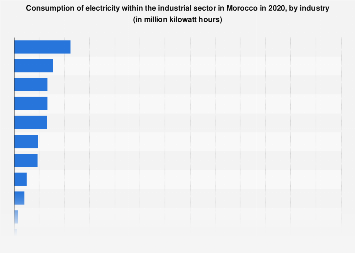
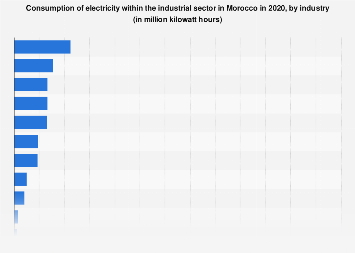
Morocco’s industrial sector is a significant driver of its economy, and its electricity consumption patterns offer a critical lens through which to understand industrial activity, energy efficiency, and the nation’s broader energy transition. While precise, up-to-the-minute figures for total industrial electricity consumption can vary based on the reporting methodology and the specific year of analysis, available data for 2020 provides a foundational understanding of the energy demands across various industrial segments within the Kingdom. In that year, the aggregate electricity consumption for Morocco’s industrial sector was substantial, reflecting the energy-intensive nature of manufacturing, extraction, and processing activities.
Within this overarching industrial consumption, specific sub-sectors exhibit markedly different energy appetites. The electricity and water industry itself stands out as a major consumer. This sector, responsible for the generation, transmission, and distribution of electricity, as well as the provision of water services, requires vast amounts of energy to operate its complex infrastructure. Its consumption underscores the interconnectedness of the energy sector with other economic activities, as it not only powers other industries but also consumes energy for its own operations. This high demand is characteristic of utility sectors globally, where continuous operation and robust infrastructure necessitate significant and consistent power input.
Following closely behind, the building industry also represents a substantial portion of industrial electricity usage. This category encompasses a wide array of activities, from the manufacturing of construction materials like cement, bricks, and steel, to the operation of machinery used in construction sites. The production of cement, in particular, is a highly energy-intensive process, contributing significantly to the sector’s overall electricity footprint. As Morocco continues its development trajectory, with ongoing investments in infrastructure and urban expansion, the demand for electricity from the building materials and construction sectors is likely to remain robust.
The broader manufacturing and processing industries form the backbone of Morocco’s industrial output. These diverse segments, ranging from textiles and automotive to food processing and chemical production, each have unique energy profiles. The specific electricity consumption within these areas is influenced by factors such as the scale of operations, the age and efficiency of machinery, the types of processes employed, and the reliance on electricity as a primary energy source for heating, cooling, motive power, and specialized equipment. Understanding the nuanced consumption patterns within these diverse manufacturing sub-sectors is crucial for targeted energy efficiency initiatives and for forecasting future energy demand.
Globally, industrial electricity consumption is a key indicator of economic health and industrial competitiveness. Developed economies often see a shift towards higher-value, less energy-intensive manufacturing, alongside a significant increase in energy efficiency driven by technological advancements and stringent environmental regulations. Emerging economies, on the other hand, may experience rising industrial electricity demand as they industrialize, often facing the dual challenge of meeting growing energy needs while simultaneously striving for greater sustainability. Morocco’s trajectory reflects elements of both, with a growing industrial base alongside a stated commitment to renewable energy and energy efficiency.
The Moroccan government has been actively pursuing a strategy to diversify its energy mix, with a strong emphasis on renewable energy sources such as solar and wind power. This strategic imperative is not only driven by environmental concerns but also by the desire to enhance energy security and reduce reliance on imported fossil fuels. For the industrial sector, this transition has implications for both the cost and the source of electricity. Increased integration of renewables can lead to more stable and potentially lower long-term energy costs, while also contributing to the sustainability credentials of Moroccan exports.
Statistics on electricity consumption by industrial sub-sectors are vital for policymakers, investors, and industry leaders. They inform decisions regarding infrastructure development, the allocation of resources for energy efficiency programs, and the setting of sector-specific energy performance targets. For instance, identifying the most energy-intensive sub-sectors allows for the prioritization of investments in technologies that can reduce energy waste, such as advanced motor systems, efficient lighting, heat recovery systems, and optimized production processes.
The availability of detailed data, even if not publicly disaggregated into granular figures for every single sub-sector, highlights the importance of robust energy monitoring and reporting systems. Such systems enable a clear understanding of where energy is being consumed and where the greatest opportunities for savings and efficiency improvements lie. This granular insight is essential for crafting effective industrial policy that supports both economic growth and environmental sustainability.
Furthermore, analyzing electricity consumption trends in relation to economic output can provide insights into labor productivity and technological adoption. If electricity consumption per unit of industrial output is declining, it can indicate improvements in energy efficiency and technological sophistication. Conversely, a rising ratio might suggest inefficiencies or a shift towards more energy-intensive production methods.
The international context is also relevant. Many countries are implementing policies to promote industrial decarbonization, including incentives for energy efficiency, carbon pricing mechanisms, and mandates for renewable energy procurement. Morocco’s efforts to modernize its industrial energy consumption align with these global trends. The country’s strategic location and its growing industrial capabilities position it as a key player in regional and international value chains, where energy efficiency and sustainability are increasingly becoming competitive advantages.
In conclusion, while specific numerical data for 2020 industrial electricity consumption in Morocco’s various sub-sectors requires access to premium statistical databases, the general trends underscore the critical role of energy in the nation’s industrial development. The significant consumption by the electricity and water sector and the building industry, alongside the broad manufacturing base, highlights the multifaceted energy demands of a growing economy. As Morocco continues to invest in its industrial future and pursue its renewable energy ambitions, a detailed understanding and strategic management of industrial electricity consumption will remain paramount to achieving its economic and environmental objectives. This ongoing evolution in energy usage will shape the competitiveness and sustainability of Moroccan industries on the global stage.