
The global energy landscape witnessed a notable shift this week as international crude benchmarks retreated from recent highs, a movement largely attributed to a perceived cooling of immediate hostilities between the United States and Iran. For weeks, energy traders had baked a significant "geopolitical risk premium" into the price of a barrel, fearing that a direct military confrontation or a retaliatory strike on Iranian energy infrastructure could choke global supplies. However, as diplomatic back-channels appear to be functioning and the rhetoric from Washington suggests a preference for economic containment over kinetic engagement, the market has begun to shed its defensive posture, refocusing instead on the nuanced realities of global demand and supply.
Brent crude, the international benchmark, and West Texas Intermediate (WTI), the U.S. standard, both saw a contraction in value as investors recalibrated their expectations for Middle Eastern stability. This downward trajectory marks a departure from the volatility seen earlier in the quarter, where every headline regarding the Levant or the Persian Gulf sent shockwaves through the commodities exchange. The easing of these specific fears has allowed market participants to pivot their attention toward more fundamental economic indicators, including inventory builds in the United States and the ongoing concerns regarding industrial output in the world’s largest oil importer, China.
The central pillar of this recent price correction is the softening of the narrative surrounding potential U.S. intervention in Iran. While the relationship between Washington and Tehran remains fraught with tension—compounded by regional proxy conflicts and the ongoing deadlock over nuclear ambitions—the immediate threat of a strike that would disrupt the Strait of Hormuz has diminished. Analysts suggest that the U.S. administration is currently navigating a delicate balancing act; while it must project strength and deter regional aggression, it is also acutely aware of the domestic political fallout that follows a spike in gasoline prices. With an election cycle looming and the Federal Reserve struggling to anchor inflation near its 2% target, a massive disruption in energy markets is a scenario the White House is keen to avoid.
From a structural perspective, Iran’s role in the global oil market is more significant than its sanctioned status might suggest. Despite years of "maximum pressure" campaigns and various iterations of trade restrictions, Iran has managed to maintain a steady flow of exports, largely destined for independent refineries in Asia. Estimates place Iranian production at roughly 3 million barrels per day, with exports fluctuating based on the rigor of enforcement and the ingenuity of "dark fleet" shipping maneuvers. Any direct military action targeting these production facilities would not only remove millions of barrels from the daily global balance but would also likely provoke a response that could endanger the 20 million barrels of oil that pass through the Strait of Hormuz daily—roughly a fifth of the world’s total consumption.
Market data reveals that the "fear premium"—the extra cost added to oil due to the risk of supply disruptions—had risen to as much as $5 to $10 per barrel during the height of recent regional escalations. As these fears dissipate, the premium is being priced out, returning oil to a range more consistent with actual physical demand. Commodity strategists at major investment banks have noted that unless there is a tangible disruption to the flow of oil, the market is currently well-supplied. This is bolstered by record-breaking production levels in the United States, which has emerged as a crucial swing producer, effectively dampening the impact of production cuts orchestrated by the OPEC+ alliance.
The role of OPEC+, led by Saudi Arabia and Russia, remains a critical variable in this economic equation. The cartel has consistently implemented voluntary production cuts in an attempt to put a floor under prices and prevent a glut. However, the effectiveness of these cuts is being challenged by rising output from non-OPEC nations, including Brazil, Guyana, and the U.S. Permian Basin. While Saudi Arabia has expressed a willingness to maintain market discipline, the internal pressure within the group to monetize reserves—especially for nations with high fiscal break-even points—creates a ceiling for how high prices can go without triggering a surge in competitive supply.
On the demand side of the ledger, the global economic outlook remains a mosaic of conflicting signals. In the United States, the economy has shown remarkable resilience in the face of high interest rates, yet manufacturing indices have occasionally dipped into contractionary territory. In Europe, the industrial engine of Germany continues to sputter under the weight of high energy costs and a transition away from Russian gas, leading to a tepid outlook for diesel and heating oil demand. However, the most significant "X-factor" remains China. The Chinese economy, once the primary engine of global oil demand growth, is grappling with a protracted real estate crisis and cautious consumer spending. While Beijing has introduced various stimulus measures to jumpstart growth, the impact on crude consumption has been slower than many bulls had anticipated.
Furthermore, the transition toward renewable energy and the increasing penetration of electric vehicles (EVs) are beginning to exert long-term structural pressure on oil prices. While the "peak oil demand" narrative is still a matter of intense debate among economists, there is no denying that efficiency gains and the diversification of transport fuels are tempering the growth trajectory of petroleum products. For investors, this means that geopolitical spikes are often viewed as temporary opportunities to sell into strength rather than the start of a new, sustained super-cycle.
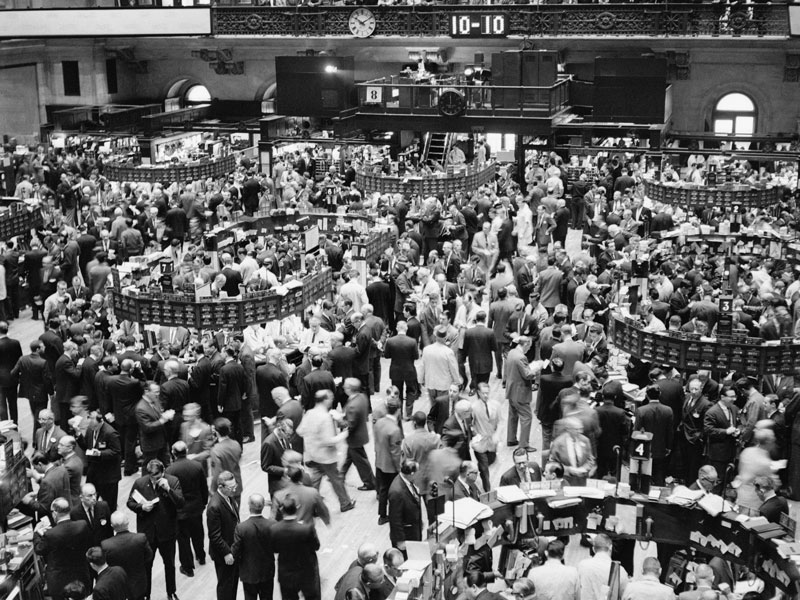
The economic impact of lower oil prices extends far beyond the trading floors of New York and London. For net-importing nations in the developing world, a retreat in energy costs provides much-needed relief for balance-of-payments issues and helps to curb imported inflation. Conversely, for oil-exporting economies in the Middle East and Africa, the downward pressure on prices necessitates a tightening of sovereign budgets and a re-evaluation of ambitious infrastructure projects. This divergence highlights the interconnectedness of energy markets and global macroeconomic stability.
Looking ahead, the market remains in a state of "cautious equilibrium." While the immediate fear of a U.S.-Iran escalation has subsided, the underlying geopolitical fault lines remain active. Any sudden shift in the proxy landscape or a miscalculation by regional actors could quickly re-ignite the volatility that has characterized the market for the past year. Additionally, the upcoming decisions by the Federal Reserve regarding the timing of interest rate cuts will be pivotal. A "higher for longer" stance on rates typically strengthens the U.S. dollar, making oil—which is priced in greenbacks—more expensive for international buyers, thereby acting as a natural brake on price appreciation.
In summary, the recent slide in oil prices represents a return to fundamentals as the "war clouds" over the Persian Gulf temporarily part. The market has signaled that it is no longer willing to pay a high premium for a conflict that has not yet materialized in the form of physical supply loss. However, with the Middle East remaining a volatile theater and the global economy navigating a period of profound transition, the current calm may be nothing more than a temporary reprieve. For now, the focus remains on the data: inventory levels, refinery margins, and the pulse of the Chinese consumer. As the geopolitical risk premium evaporates, the reality of a well-supplied market and uncertain demand growth is once again the dominant narrative shaping the future of global energy.