


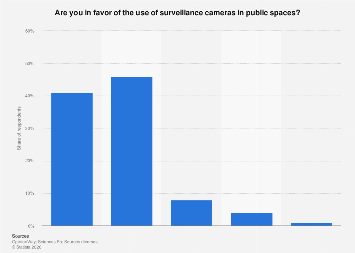
A significant portion of the French populace expresses concern over the escalating presence of surveillance cameras across public and private spaces, reflecting a growing societal debate on privacy versus security. While the deployment of closed-circuit television (CCTV) systems has become a ubiquitous feature in urban landscapes and commercial establishments, new data indicates a nuanced and often divided public sentiment regarding their pervasive use. This trend mirrors broader global discussions about the ethical implications and efficacy of mass surveillance technologies in the 21st century.
The data suggests a substantial segment of the French population harbors reservations about the expansion of surveillance infrastructure. These concerns often stem from an inherent distrust of government overreach and a fear of data misuse. The increasing sophistication of facial recognition technology and data analytics, often integrated with CCTV networks, amplifies these anxieties. Citizens worry about the potential for constant monitoring, the erosion of personal freedoms, and the creation of a surveillance state where anonymity becomes increasingly elusive. This sentiment is particularly pronounced among younger demographics and those with a history of advocating for civil liberties.
Conversely, a significant counter-argument, supported by a considerable portion of the public, emphasizes the perceived security benefits of widespread camera surveillance. Proponents highlight the role of CCTV in deterring criminal activity, aiding in the apprehension of offenders, and providing crucial evidence in investigations. In an era marked by heightened security threats, both domestic and international, the argument for enhanced public safety through technological means holds considerable sway. For businesses, particularly in the retail and hospitality sectors, the installation of surveillance cameras is often viewed as a necessary measure to prevent theft, vandalism, and to ensure the safety of both staff and customers. Law enforcement agencies frequently advocate for increased camera coverage, citing its effectiveness in monitoring public spaces and responding to emergencies.
This dichotomy in public opinion creates a complex environment for policymakers and technology providers. The French government, like many of its international counterparts, faces the challenge of balancing the demand for enhanced security with the imperative to protect individual privacy rights. Legislative frameworks are continually being adapted to govern the installation, operation, and data retention policies associated with surveillance systems. Regulations such as the General Data Protection Regulation (GDPR) in the European Union impose strict rules on the collection, processing, and storage of personal data, including video footage. However, the interpretation and enforcement of these regulations, particularly in the context of rapidly evolving surveillance technologies, remain subjects of ongoing debate and refinement.
The economic implications of this trend are also considerable. The global market for video surveillance equipment and services is projected to experience robust growth in the coming years. Factors driving this expansion include increasing urbanization, rising crime rates in certain regions, government initiatives to enhance public safety, and the growing adoption of smart city technologies. France, as a major European economy, represents a significant market for these products and services. Companies specializing in CCTV hardware, video analytics software, and secure data storage solutions stand to benefit from this sustained demand. The development and implementation of sophisticated surveillance systems often require substantial investment, creating opportunities for technological innovation and job creation within the security sector.
However, the economic benefits must be weighed against potential costs. The infrastructure required for comprehensive surveillance networks, including cameras, recording devices, and data management systems, represents a significant capital expenditure for both public and private entities. Furthermore, the ongoing operational costs, such as maintenance, software updates, and personnel for monitoring, can be substantial. The debate over the return on investment for surveillance systems, particularly in terms of crime reduction, is often contentious and requires rigorous empirical analysis. Studies on the deterrent effect of CCTV have yielded mixed results, with effectiveness often depending on factors such as camera placement, visibility, and integration with other security measures.
Globally, the deployment of surveillance cameras is a phenomenon observed across diverse economic and political landscapes. Developed nations are increasingly investing in advanced surveillance technologies as part of their smart city initiatives, aiming to improve urban management, traffic flow, and public safety. Emerging economies are also adopting these technologies, often driven by a need to address rising crime rates and to enhance national security. The ethical considerations and privacy concerns, however, are not confined to any single region. International bodies and human rights organizations continue to scrutinize the implications of mass surveillance, advocating for greater transparency, accountability, and robust safeguards against abuse.
The evolution of surveillance technology itself is a key driver of public opinion and policy. The shift from basic video recording to intelligent systems capable of real-time analysis, facial recognition, and behavioral pattern detection introduces new ethical dilemmas. The potential for these technologies to be used for mass profiling, political dissent monitoring, or even commercial exploitation raises serious questions about the future of privacy in an increasingly digitized world. The public discourse in France, therefore, is not merely about cameras on streets; it is a broader conversation about the kind of society citizens wish to inhabit and the role of technology within it.
Looking ahead, the trajectory of surveillance camera deployment in France and globally will likely be shaped by a confluence of technological advancements, evolving security threats, and persistent public debate. The challenge for governments and businesses alike will be to navigate this complex landscape, ensuring that the pursuit of security does not come at the unacceptable cost of fundamental freedoms. Continued research into the efficacy and societal impact of surveillance technologies, coupled with open and informed public dialogue, will be crucial in shaping responsible policies for the future. The nuanced opinions observed within France serve as a valuable case study, highlighting the need for a balanced and considered approach to the pervasive presence of surveillance in modern life. The ongoing dialogue underscores that while technology offers powerful tools for safety, the ethical and societal implications demand constant vigilance and careful consideration.