


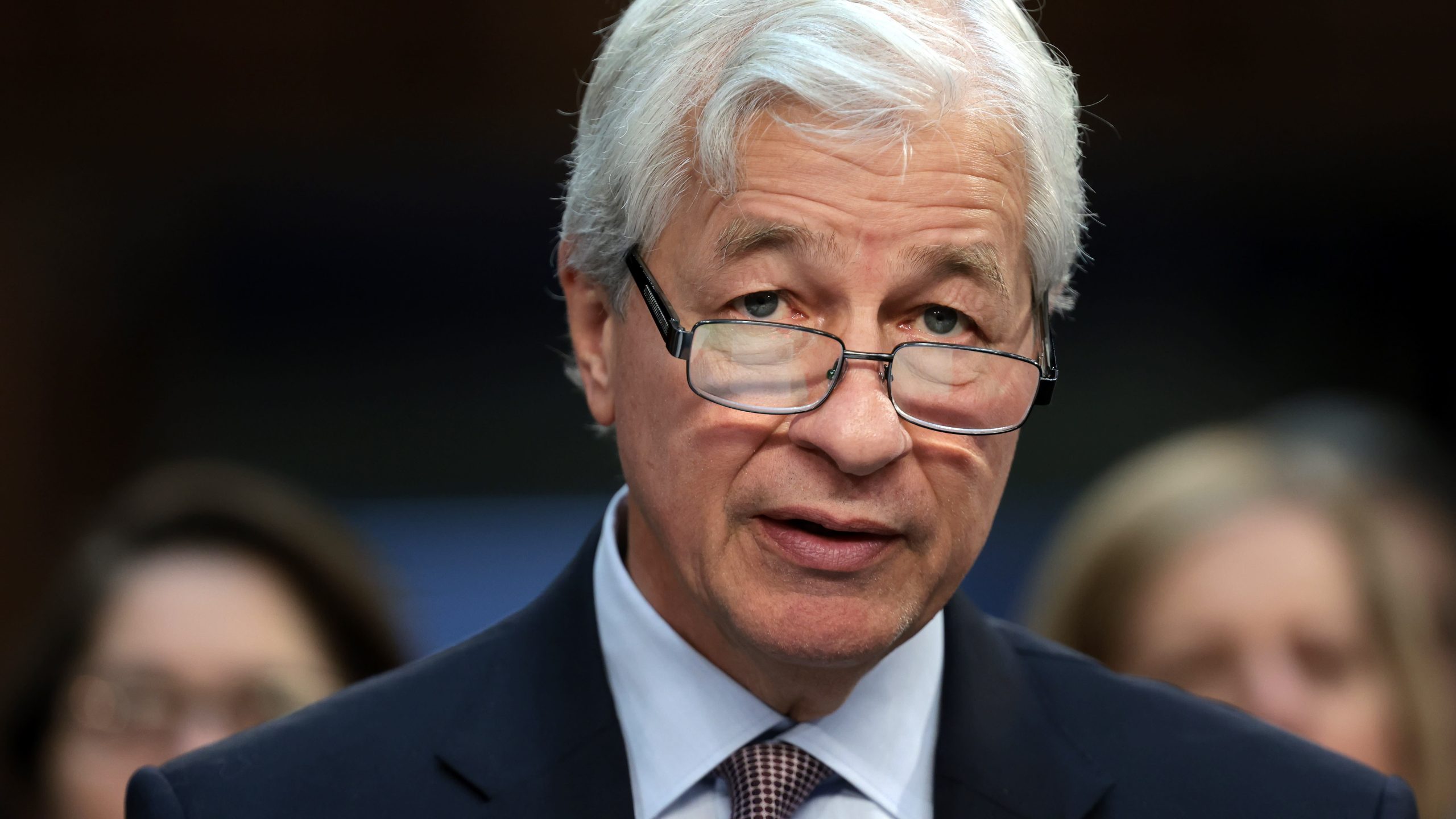
The institutional independence of the Federal Reserve, long considered a cornerstone of American economic stability, is facing a pivotal challenge that could redefine the nation’s financial trajectory. Jamie Dimon, the Chairman and Chief Executive Officer of JPMorgan Chase, has voiced a profound warning regarding the potential consequences of executive overreach into monetary policy. In a series of recent assessments, the veteran banker signaled that any attempt by a future administration to undermine the autonomy of the central bank would not only destabilize global markets but could also ignite a sustained inflationary firestorm that would be difficult to extinguish.
The friction between political cycles and monetary stewardship is not a new phenomenon, yet the current rhetoric emerging from the political sphere suggests a shift toward more direct confrontation. Dimon’s concerns center on the risk that political pressure—specifically from a potential second Trump administration—could force the Federal Reserve to prioritize short-term electoral gains over long-term price stability. The crux of the argument is rooted in the "time inconsistency" problem of monetary policy: politicians often have an inherent incentive to advocate for lower interest rates to stimulate growth and employment in the lead-up to elections, even if such moves risk overheating the economy and devaluing the currency in the years that follow.
For decades, the Federal Reserve has operated under a "dual mandate" established by Congress: to promote maximum employment and maintain stable prices. To achieve these goals, the Fed must often make unpopular decisions, such as raising interest rates to combat inflation, which can increase borrowing costs for consumers and businesses alike. Jamie Dimon’s intervention highlights a growing anxiety among the financial elite that if the President were to exert direct influence over the Federal Open Market Committee (FOMC), the "inflation anchor" that has kept the U.S. economy grounded since the 1980s could be severed.
The historical precedent for such interference provides a cautionary tale. During the 1970s, President Richard Nixon famously pressured Fed Chair Arthur Burns to maintain an accommodative monetary policy to bolster his re-election prospects. The result was a decade of "Great Inflation," characterized by double-digit price increases and a stagnant economy, a period only brought to an end by the aggressive—and politically painful—interest rate hikes implemented by Paul Volcker. Dimon’s warning suggests that the U.S. is at risk of repeating these mistakes if the boundary between the White House and the Eccles Building is blurred.
From a market perspective, the independence of the central bank is inextricably linked to the "credibility premium" enjoyed by U.S. Treasury securities. Investors across the globe hold trillions of dollars in U.S. debt, operating under the assumption that the Federal Reserve will act as a technocratic, non-partisan guardian of the dollar’s purchasing power. If that trust is compromised, the "bond vigilantes"—investors who sell off bonds in protest of inflationary policies—could drive up yields significantly. A rise in the 10-year Treasury yield, which serves as a benchmark for everything from mortgages to corporate loans, would effectively tighten financial conditions regardless of the Fed’s official policy rate, potentially leading to a "stagflationary" environment where growth slows while costs continue to climb.
The specific proposals that have circulated within political circles include granting the President more direct authority over interest rate decisions or allowing for the removal of the Fed Chair for policy disagreements rather than just legal "cause." Economists warn that such moves would lead to a "risk premium" being added to all U.S. assets. If the market perceives that the central bank is no longer focused on its 2% inflation target but is instead acting as an arm of the executive branch, inflation expectations will become "unanchored." Once businesses and consumers expect higher prices in the future, they adjust their behavior today, creating a self-fulfilling prophecy that is incredibly costly to reverse.
The global implications of a politically compromised Federal Reserve are equally staggering. The U.S. dollar serves as the world’s primary reserve currency, facilitating the vast majority of international trade and commodities pricing. A loss of confidence in the Fed’s independence could accelerate the trend of "de-dollarization," as foreign central banks seek to diversify their reserves away from a currency perceived to be subject to the whims of domestic political cycles. This would undermine the "exorbitant privilege" the United States has enjoyed for nearly a century—the ability to borrow at lower rates and run larger deficits than any other nation.
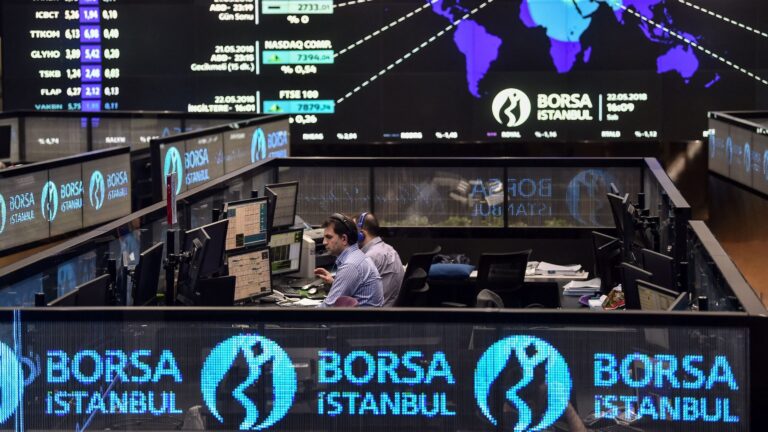
Comparisons with international peers further underscore the danger. Countries where the executive branch exerts tight control over the central bank, such as Turkey or Argentina, have frequently suffered from hyperinflation and chronic currency devaluations. In Turkey, President Recep Tayyip Erdoğan’s unorthodox belief that high interest rates cause inflation—and his subsequent purging of central bank governors who disagreed—led to inflation rates exceeding 80% and a collapse of the lira. While the U.S. institutional framework is significantly more robust, Dimon’s rhetoric suggests that even the perception of a move in that direction could be enough to trigger a capital flight or a significant devaluation of the dollar.
Data from the Bureau of Labor Statistics shows that while inflation has retreated from its 9.1% peak in mid-2022, it remains a sensitive issue for the American public. The Consumer Price Index (CPI) has shown resilience in certain sectors, particularly housing and services, making the Fed’s current path of "higher for longer" rates a delicate balancing act. Dimon notes that the Fed is already navigating a "minefield" of challenges, including a massive fiscal deficit that exceeds 6% of GDP and a shrinking balance sheet through quantitative tightening. Adding political instability to this mix, he argues, would be akin to "playing with matches in a gasoline factory."
Furthermore, the impact on the banking sector cannot be overlooked. As the head of the nation’s largest bank, Dimon is acutely aware of how interest rate volatility affects the financial system. The regional banking crisis of early 2023, sparked by the collapse of Silicon Valley Bank, demonstrated how rapidly rising rates can expose vulnerabilities in bank balance sheets. If political interference leads to erratic swings in monetary policy—oscillating between forced stimulus and emergency tightening—the resulting uncertainty would likely cause banks to pull back on lending, stifling the very economic growth that politicians seek to promote.
The debate also touches upon the concept of "fiscal dominance," a situation where the central bank is forced to keep interest rates low to make the government’s debt service manageable. With U.S. national debt surpassing $34 trillion, the cost of servicing that debt is now rivaling the defense budget. Dimon’s warning implies that a politically controlled Fed might be pressured to monetize this debt, effectively printing money to pay off government obligations. This process is historically the most direct route to high inflation, as it increases the money supply without a corresponding increase in economic output.
In the face of these threats, the role of the "independent expert" becomes a vital shield for the economy. The Federal Reserve’s structure—with its Board of Governors serving staggered 14-year terms and its 12 regional banks—was intentionally designed to insulate it from the short-term pressures of Washington. Jamie Dimon’s advocacy for maintaining this distance reflects a broader consensus among economists that while the Fed is not perfect and its policies are subject to legitimate critique, the alternative—a central bank subservient to the White House—is far more dangerous.
As the 2024 election cycle intensifies, the rhetoric surrounding the Federal Reserve is likely to become more heated. Dimon’s message serves as a pre-emptive strike, urging policymakers and the public to recognize that the "price of admission" for a stable, prosperous economy is an independent central bank. The stakes involve more than just the next quarter’s GDP figures; they involve the long-term integrity of the American financial system and its standing in the global order. Without a credible, autonomous Fed, the "soft landing" that the markets currently hope for could easily transform into a turbulent era of persistent inflation and diminished economic sovereignty.