


As the digital economy continues its inexorable expansion, understanding the foundational software that powers personal computing is paramount for businesses and policymakers alike. In Croatia, the landscape of personal computer operating systems in 2024 reveals a familiar, yet nuanced, picture of user preference and market penetration. While global trends often dictate the broader strokes of technology adoption, regional specificities can offer valuable insights into consumer behavior and the strategic positioning of tech giants. This analysis delves into the leading operating systems in the Croatian market, exploring the factors that contribute to their prevalence and the potential economic implications.
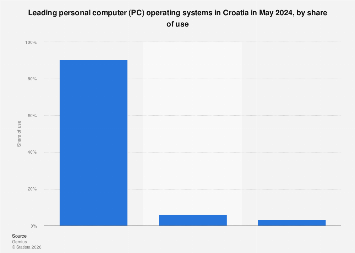
The data for 2024 indicates that Microsoft’s Windows operating system continues to hold a commanding position within the Croatian personal computer market. This dominance is not unique to Croatia, reflecting a global trend that has persisted for decades. Windows, with its long history, vast software compatibility, and widespread pre-installation on consumer and business hardware, has established a deep-rooted ecosystem. For businesses, the ubiquity of Windows translates into simplified IT management, broader talent pools for technical support, and seamless integration with a wide array of industry-specific applications. The familiarity of the interface also lowers the barrier to entry for new users, contributing to its sustained popularity. The sheer volume of Windows-based devices sold annually, both new and refurbished, underpins its market share.
Following Windows, Apple’s macOS emerges as the second most significant operating system in Croatia. The appeal of macOS often lies in its perceived user-friendliness, robust security features, and integration within the Apple ecosystem. For creative professionals, designers, and a segment of the student population, the macOS platform offers a compelling user experience and specialized software suites. While Apple devices typically command a premium price point, their loyal user base in Croatia, as in many developed economies, indicates a willingness to invest in the integrated hardware and software experience. The growth of the freelance economy and the increasing demand for high-quality digital content creation further bolster the relevance of macOS in specific professional niches.
The third major contender in the Croatian operating system arena is Linux, a versatile and open-source family of operating systems. While its overall market share in the personal computing segment remains considerably smaller than Windows or macOS, Linux plays a crucial role in specific segments. Its inherent flexibility, cost-effectiveness, and robust security make it a popular choice for developers, system administrators, academic institutions, and users who prioritize customization and control over their computing environment. The growing interest in cybersecurity and the increasing adoption of cloud computing infrastructure often drive the demand for Linux-based solutions. Furthermore, the open-source nature of Linux fosters innovation and a dedicated community of developers, ensuring its continued evolution and relevance.
The market share of these operating systems is not static and is influenced by a multitude of factors. Economic conditions play a significant role; during periods of economic growth, consumers may be more inclined to invest in premium hardware and software, potentially benefiting Apple and higher-end Windows configurations. Conversely, during economic downturns, the cost-effectiveness of Linux or budget-friendly Windows devices might see increased adoption. The Croatian government’s digital transformation initiatives and its investment in public sector IT infrastructure can also shape operating system preferences. For instance, widespread adoption of open-source solutions in government agencies could lead to a broader acceptance of Linux in the broader economy.
Furthermore, the global supply chain for personal computers and the pricing strategies of manufacturers and software providers directly impact the Croatian market. Fluctuations in the availability of specific hardware models or changes in licensing costs for operating systems can subtly shift user preferences. The increasing penetration of mobile devices, such as smartphones and tablets, also influences the personal computing landscape. While these devices often run different operating systems (iOS and Android), their growing capabilities and integration with cloud services can, in some instances, reduce the reliance on traditional personal computers for certain tasks, thereby indirectly affecting the market share of desktop and laptop operating systems.
The economic impact of operating system choices extends beyond individual consumer preferences. For businesses, the prevailing operating system influences their IT procurement strategies, software development pipelines, and the availability of skilled IT professionals. A market heavily dominated by Windows, for example, creates a strong demand for Windows-certified IT technicians and developers proficient in Microsoft technologies. Conversely, a growing Linux presence necessitates expertise in open-source technologies and related platforms. The cost of software licenses, maintenance, and support for each operating system also represents a significant budgetary consideration for Croatian enterprises.
Looking ahead, the trajectory of operating system adoption in Croatia will likely be shaped by emerging technologies such as artificial intelligence, the metaverse, and enhanced cybersecurity demands. As these technologies mature, they may necessitate more powerful and specialized computing environments, potentially leading to shifts in operating system preferences. The increasing importance of data privacy and security may also drive users towards operating systems with stronger inherent security features or those that offer greater transparency and control. The ongoing digital transformation across all sectors of the Croatian economy will continue to be a key driver in the evolution of its personal computer operating system landscape.