


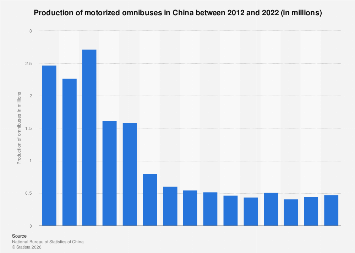
China has firmly established itself as a global powerhouse in the manufacturing of omnibuses, commonly known as buses. This sector, a critical component of the nation’s vast transportation infrastructure and a significant contributor to its industrial output, has witnessed remarkable growth and transformation in recent years. The sheer scale of production in China, driven by robust domestic demand, ambitious infrastructure projects, and an increasing export focus, positions it as a pivotal player in the international bus market. Understanding the intricacies of this industry requires an examination of production volumes, technological advancements, market segmentation, and the broader economic forces at play.
The production of omnibuses in China is not merely about quantity; it is increasingly about sophistication and sustainability. While specific, up-to-the-minute production figures are often proprietary and subject to market intelligence subscriptions, available data and industry analysis consistently point to China leading global output. This leadership is underpinned by a confluence of factors. Firstly, the sheer size of China’s domestic market, with its rapidly urbanizing population and extensive public transportation needs, creates an insatiable demand for buses. City buses, intercity coaches, and specialized transport vehicles are integral to the daily lives of hundreds of millions of people. Secondly, government policies have played a crucial role, actively promoting the development of the automotive industry, including the bus sector, through subsidies, tax incentives, and support for research and development.
Beyond domestic consumption, Chinese bus manufacturers have been progressively making inroads into international markets. This expansion is driven by competitive pricing, improving product quality, and a growing reputation for innovation, particularly in the realm of new energy vehicles. The global shift towards greener transportation solutions has provided a significant tailwind for Chinese companies that have invested heavily in electric bus technology. Countries across Asia, Africa, Latin America, and even parts of Europe are increasingly looking to China for cost-effective and technologically advanced bus solutions, including electric and hybrid models.
The composition of China’s omnibus production spans a wide spectrum of vehicle types. This includes traditional diesel-powered buses, increasingly prevalent natural gas-powered vehicles, and, most notably, a burgeoning segment of new energy buses. The latter category, comprising battery-electric buses and fuel-cell electric buses, represents the future direction of the industry. China has set aggressive targets for the adoption of new energy vehicles, and the bus sector is at the forefront of this transition. This has spurred massive investment in battery technology, charging infrastructure, and vehicle design, making China a global leader in electric bus deployment. Cities like Shenzhen have already achieved 100% electrification of their public bus fleets, a testament to the nation’s commitment and manufacturing prowess.
Market segmentation within China’s bus industry is diverse. Large-scale manufacturers, often state-owned enterprises or major automotive groups, dominate the production of standard city buses and long-distance coaches. These companies possess the scale and resources to undertake mass production and meet the demands of large municipal transport authorities. Concurrently, a vibrant ecosystem of smaller and specialized manufacturers caters to niche markets, producing smaller shuttle buses, tourist vehicles, and customized transport solutions. The competitive landscape is intense, fostering continuous innovation and cost optimization.
Technological advancements are a defining characteristic of China’s modern bus manufacturing. Beyond electrification, manufacturers are integrating advanced features such as intelligent transportation systems, real-time tracking, passenger information systems, and enhanced safety features. The development of autonomous driving technology for buses is also an area of active research and pilot programs, signaling a long-term vision for the future of urban mobility. This technological evolution is not confined to the vehicles themselves but extends to the manufacturing processes, with increased automation and digital integration in production lines.
The economic impact of China’s omnibus production is substantial and far-reaching. It directly generates employment across manufacturing, engineering, research and development, and supply chain logistics. Indirectly, it fuels growth in related industries, including battery manufacturing, steel production, electronics, and automotive components. The export of Chinese-made buses also contributes significantly to the nation’s trade balance, strengthening its economic ties with other countries and projecting its industrial capabilities on a global stage. Furthermore, the widespread adoption of efficient and cleaner bus technologies contributes to urban environmental improvements, reduced traffic congestion, and enhanced public health.
Analyzing the global context, China’s dominance in omnibus production stands in contrast to production patterns in other major automotive manufacturing regions. While Europe and North America have strong players in the premium bus segment and specialized vehicles, China’s sheer volume and rapid advancement in new energy technology have reshaped the global supply chain. The industry is characterized by a dynamic interplay of competition and collaboration, with Chinese firms increasingly acquiring stakes in or partnering with international companies to gain access to new markets and technologies.
The future trajectory of China’s omnibus production appears set for continued growth and innovation. The ongoing commitment to new energy vehicles, coupled with advancements in smart mobility and manufacturing efficiency, will likely solidify its position as a global leader. Challenges remain, including navigating evolving international trade policies, addressing environmental regulations, and maintaining a competitive edge in technological development. However, the fundamental drivers of demand, both domestic and international, along with the industry’s adaptive capacity, suggest a robust and dynamic future for China’s bus manufacturing sector. The insights gleaned from this sector offer a valuable lens through which to understand China’s broader industrial strategy and its growing influence on global economic trends.