


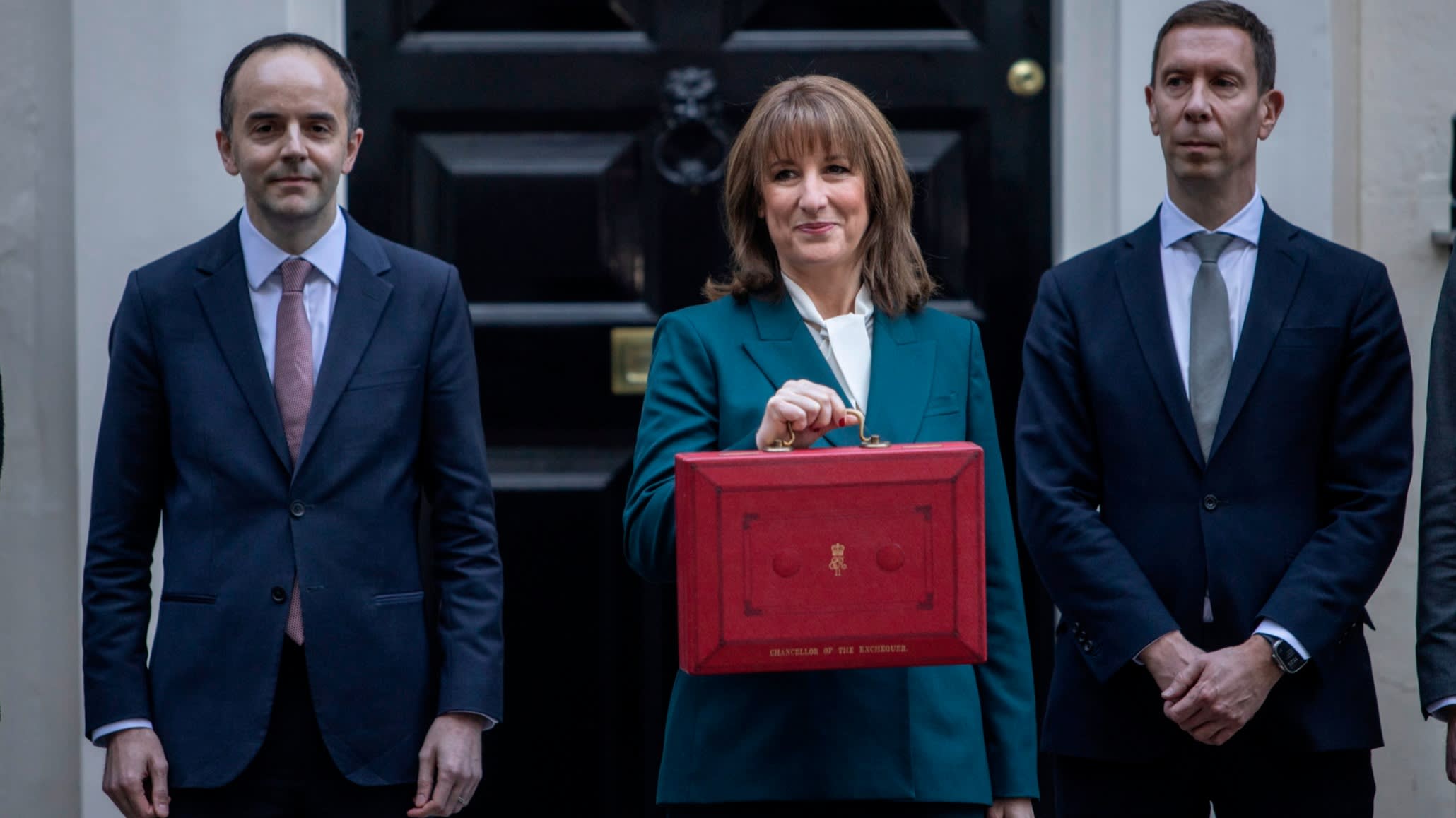
The United Kingdom’s public finances received a much-needed boost as official data revealed that government borrowing fell to £11.6 billion in December, a figure significantly lower than many economists had anticipated and a sharp decline from the record-breaking levels seen during the height of the energy crisis a year earlier. This contraction in the monthly deficit has provided the Treasury with a potential window of opportunity, sparking intense speculation over whether Chancellor of the Exchequer Jeremy Hunt will utilize this newfound "fiscal headroom" to announce significant tax cuts in the upcoming Spring Budget.
According to the latest release from the Office for National Statistics (ONS), the £11.6 billion borrowed in the final month of the year represents a substantial drop from the £26.6 billion recorded in December of the previous year. At that time, the British government was heavily subsidizing household energy bills through the Energy Price Guarantee and grappling with the peak of an inflationary surge that drove debt interest payments to unprecedented heights. The normalization of energy prices and a cooling of the Retail Price Index (RPI) have been the primary catalysts for this fiscal improvement.
Central to the reduction in borrowing is the mechanics of the UK’s national debt. A significant portion of British government bonds, or gilts, are index-linked, meaning the interest paid to investors is tied directly to the rate of inflation. As the RPI has moderated from its double-digit peaks, the cost of servicing this debt has plummeted. In December, interest payable on central government debt was roughly half of what it was during the same period twelve months prior. This technical shift in the inflation landscape has done more to repair the government’s balance sheet than any specific policy intervention in the short term.
However, the fiscal picture remains a complex mosaic of rising tax receipts and escalating public service costs. While borrowing fell, the government’s total tax take continued to grow, bolstered by "fiscal drag." By freezing income tax thresholds while wages rise to keep pace with inflation, the Treasury has effectively pulled millions of workers into higher tax brackets, a phenomenon often described as a "stealth tax." This has bolstered the state’s coffers, with VAT and income tax receipts showing resilience despite a sluggish broader economy characterized by stagnant GDP growth.
Despite the positive monthly headline, the broader context of the UK’s national debt remains sobering. Public sector net debt, excluding state-controlled banks, stands at approximately 97.7% of the nation’s annual economic output. This is a level not seen since the early 1960s, a period when Britain was still working off the massive financial burden of the Second World War. The sheer scale of this debt means that even with a lower monthly borrowing figure, the government remains highly vulnerable to shifts in global bond markets and interest rate decisions from the Bank of England.
The political implications of the December figures are profound. With a general election looming on the horizon, the governing Conservative Party is under immense pressure from its backbenchers to deliver a "giveaway" budget that might reverse their trailing position in the polls. The reduction in borrowing gives the Chancellor more room to maneuver within his self-imposed fiscal rules, which dictate that debt as a percentage of GDP must be falling within a five-year forecast period.
Economic analysts warn, however, that "fiscal headroom" is a volatile and often illusory metric. It is highly sensitive to the forecasts provided by the Office for Budget Responsibility (OBR). Small changes in projected growth rates or long-term interest rate expectations can cause billions of pounds of "room" to vanish overnight. Critics of early tax cuts argue that the UK’s public services, particularly the National Health Service and local councils, are facing severe funding crises that require urgent investment. They contend that using temporary fiscal windfalls for permanent tax reductions could lead to a further degradation of state infrastructure or necessitate even deeper spending cuts in the future.
When compared internationally, the UK’s fiscal trajectory occupies a middle ground among G7 nations. While the United States continues to run massive deficits fueled by industrial subsidies and consumer spending, and Germany grapples with a constitutional "debt brake" that has forced austerity, the UK is attempting a delicate balancing act. The British government is trying to demonstrate "fiscal responsibility" to reassure international markets—still scarred by the volatility of the 2022 "mini-budget" crisis—while simultaneously trying to stimulate a productivity-starved economy.
The December data also highlights the shifting nature of government expenditure. While energy subsidies have wound down, other costs are rising. Public sector pay settlements, designed to end a wave of industrial action across the transport and healthcare sectors, have added billions to the government’s annual wage bill. Furthermore, the cost of the "triple lock" on state pensions ensures that social security spending remains a significant and growing portion of the national budget, particularly as the UK’s population continues to age.
Market reaction to the borrowing figures was cautiously optimistic. Gilt yields remained relatively stable as investors processed the news, suggesting that the markets have already priced in a gradual improvement in the UK’s fiscal position. Nevertheless, the Bank of England’s stance remains a wildcard. If the central bank decides to keep interest rates "higher for longer" to ensure inflation is fully extinguished, the cost of refinancing the UK’s maturing debt will remain elevated, eating into any potential savings the Treasury might hope to realize.
The resilience of the UK labor market has also played a role in the December figures. Despite high interest rates, unemployment has remained historically low, ensuring that the government is not yet facing a massive surge in benefit claims. However, there are growing concerns regarding "economic inactivity," with record numbers of people out of the workforce due to long-term illness. This trend poses a double threat to the public purse: it reduces the number of taxpayers and increases the demand for health and disability-related welfare payments.
As the country moves toward the Spring Budget, the debate will likely center on the trade-off between immediate tax relief and long-term fiscal stability. Business leaders are calling for reforms to capital allowances and investment incentives to jumpstart the UK’s lackluster productivity. Meanwhile, households continue to feel the pinch of the cost-of-living crisis, with many wondering why a drop in government borrowing hasn’t yet translated into a palpable sense of financial relief in their daily lives.
In summary, the fall in UK government borrowing to £11.6 billion in December is a significant milestone that marks the end of the emergency spending era triggered by the global energy shock. It reflects a stabilizing economy and the benefits of receding inflation. Yet, the victory remains a pyrrhic one in many respects. With the national debt hovering near 100% of GDP and public services stretched to their limits, the Chancellor faces an unenviable task. He must decide whether to use the modest gains of December to fund a pre-election gamble on tax cuts or to maintain a conservative course in the face of an uncertain global economic future. The decisions made in the coming weeks will not only define the UK’s economic path for the next year but could very well determine the outcome of the next struggle for political power in Westminster.