


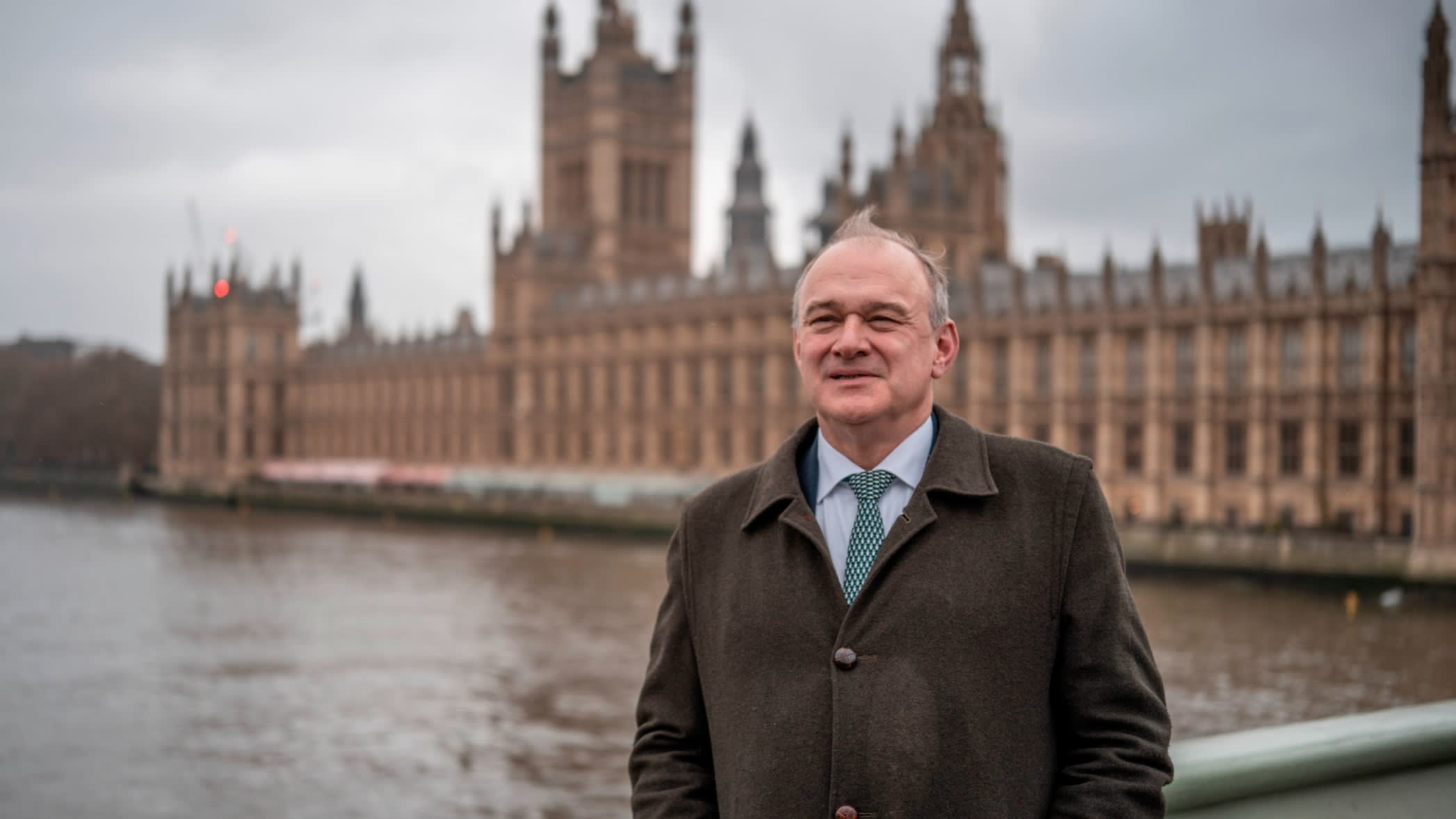
In the wake of a transformative general election and a shifting geopolitical landscape, the discourse surrounding the United Kingdom’s relationship with the European Union has entered a period of profound recalibration. Sir Ed Davey, leader of the Liberal Democrats, has recently intensified his advocacy for a structured and ambitious rapprochement with Brussels, asserting that European leaders are increasingly eager for a more stable, integrated partnership with London. This sentiment, described as a "crying out" for closer relations, reflects a broader realization among policymakers and economists that the friction inherent in the current Trade and Cooperation Agreement (TCA) is serving neither the British nor the European interest in an era of heightened global volatility.
The economic impetus for this shift is grounded in stark statistical realities. Since the UK’s formal departure from the Single Market and Customs Union, the British economy has grappled with what many analysts describe as a "slow puncture." The Office for Budget Responsibility (OBR) has consistently maintained that Brexit will reduce the UK’s potential GDP by approximately 4% over the long term compared to remaining in the EU. Business investment, which stagnated following the 2016 referendum, remains significantly below its pre-referendum trend, creating a productivity gap that hampers the nation’s competitive edge. For Ed Davey and a growing chorus of business leaders, the solution lies not in a nostalgic return to the past, but in a pragmatic, forward-looking alignment that prioritizes economic growth over ideological purity.
The Liberal Democrat strategy, which Davey has positioned as a roadmap for national renewal, suggests a multi-stage process of re-engagement. This begins with the restoration of trust—a commodity that was severely depleted during years of fractious negotiations and threats of unilateral protocol overrides. By focusing on immediate, tangible areas of cooperation, such as a comprehensive veterinary agreement (SPS) to reduce border checks on food and agricultural products, the UK could provide instant relief to SMEs that have been disproportionately affected by post-Brexit red tape. Such an agreement would not only lower costs for consumers but also signal to Brussels that the UK is ready to move beyond the adversarial rhetoric of the previous decade.
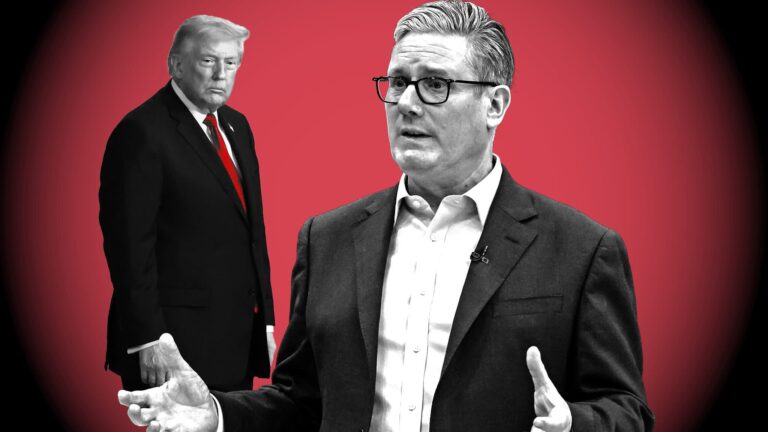
However, the political landscape remains complex. While the Liberal Democrats have been the most vocal proponents of returning to the Single Market in the long term, the current Labour government under Sir Keir Starmer has adopted a more cautious "reset" strategy. Starmer’s administration has explicitly ruled out a return to the Single Market, the Customs Union, or the restoration of freedom of movement in the immediate future. This creates a fascinating tension in British politics: a government seeking "closer ties" while maintaining "red lines" that many in Brussels view as incompatible with deep economic integration. Ed Davey’s assertions suggest that the EU may be more flexible than previously thought, provided the UK demonstrates a genuine commitment to regulatory stability and shared security goals.
The geopolitical dimension of this relationship cannot be overstated. With the ongoing conflict in Ukraine and the persistent threat of Russian aggression, the security architecture of Europe is being redefined. Both the UK and the EU recognize that their defense capabilities are intrinsically linked. Closer cooperation on intelligence sharing, defense procurement, and energy security is no longer just a diplomatic preference but a strategic necessity. As the United States enters a period of domestic political uncertainty ahead of its own elections, the imperative for a cohesive European front—including a militarily capable UK—has never been more urgent. Davey’s vision of closer relations encompasses this broader security framework, arguing that Britain’s influence on the world stage is magnified when it acts in concert with its closest neighbors.
Expert insights from the financial sector suggest that the markets are watching this diplomatic thaw with cautious optimism. Sterling has shown resilience as investors bet on a more predictable relationship with the EU. City of London firms, which have faced significant hurdles in accessing European markets for financial services, are particularly keen on a "memorandum of understanding" that could lead to greater regulatory equivalence. While the "equivalence" regime has been a point of contention, a more collaborative atmosphere in Westminster could pave the way for bespoke arrangements that recognize the UK’s unique position as a global financial hub while ensuring financial stability across the continent.
Global comparisons further highlight the costs of isolation. While the UK has pursued independent trade deals with nations like Australia and New Zealand, the macroeconomic impact of these agreements is estimated to be marginal—roughly 0.08% of GDP over 15 years—dwarfed by the losses incurred from reduced access to the European market. The "gravity model" of trade, which posits that countries trade most with their nearest neighbors, continues to hold true. For British manufacturers, the "Rules of Origin" requirements and the looming threat of carbon border taxes (CBAM) from the EU represent significant hurdles that can only be mitigated through deeper regulatory alignment.
The demand for closer ties is also driven by the needs of the younger generation and the higher education sector. The UK’s withdrawal from the Erasmus+ programme has been widely criticized for limiting the horizons of British students and reducing the "soft power" generated by international academic exchange. Ed Davey has been a staunch advocate for rejoining this initiative, as well as negotiating a youth mobility scheme that would allow young professionals to work and travel more freely. Such moves are seen as essential for addressing labor shortages in key sectors, including hospitality, social care, and the creative industries, which have struggled to fill vacancies since the end of freedom of movement.
From the perspective of Brussels, the "crying out" for closer relations is tempered by a desire to protect the integrity of the Single Market. EU officials have frequently stated that there can be no "cherry-picking" of benefits. However, there is a palpable sense of "Brexit fatigue" in European capitals. Leaders like Emmanuel Macron and Olaf Scholz are facing their own domestic challenges and would welcome a more constructive partner in London to address shared crises, from migration management to the transition to a green economy. If the UK is willing to align on environmental standards and labor rights, the path toward a more comprehensive "Security and Prosperity Pact" becomes significantly smoother.
The 2026 review of the Trade and Cooperation Agreement looms large on the horizon. This scheduled check-in provides a formal mechanism for both parties to reassess the functionality of the current deal. Economic analysts suggest this will be the critical moment for the UK to move beyond incremental changes and propose a more holistic realignment. Whether it is through a new veterinary deal, mutual recognition of professional qualifications, or participation in the EU’s satellite and research programs, the opportunities for deepening the relationship are manifold.
Ultimately, the argument put forward by figures like Ed Davey is that the UK cannot afford to be an island in the economic sense. The interconnectedness of modern supply chains and the collective challenges of the 21st century demand a level of cooperation that transcends the slogans of the past. As the British public’s perception of Brexit continues to evolve—with recent polling suggesting a majority now view the decision as a mistake—the political space for a meaningful reset is expanding.
The journey toward closer relations will undoubtedly be incremental and fraught with domestic political sensitivity. Yet, the economic and strategic arguments for such a move are becoming increasingly difficult to ignore. By framing the relationship as one of mutual necessity rather than a loss of sovereignty, proponents of closer ties are attempting to build a new national consensus. If the UK can navigate this delicate path, it may find that its most prosperous future lies in a renewed and revitalized partnership with the European continent, fulfilling the potential of a "Global Britain" that is firmly anchored in its own neighborhood. The "crying out" from Europe, therefore, is not a plea for the UK to return to the fold as it once was, but an invitation to build a new, more mature relationship based on the realities of a changed world.